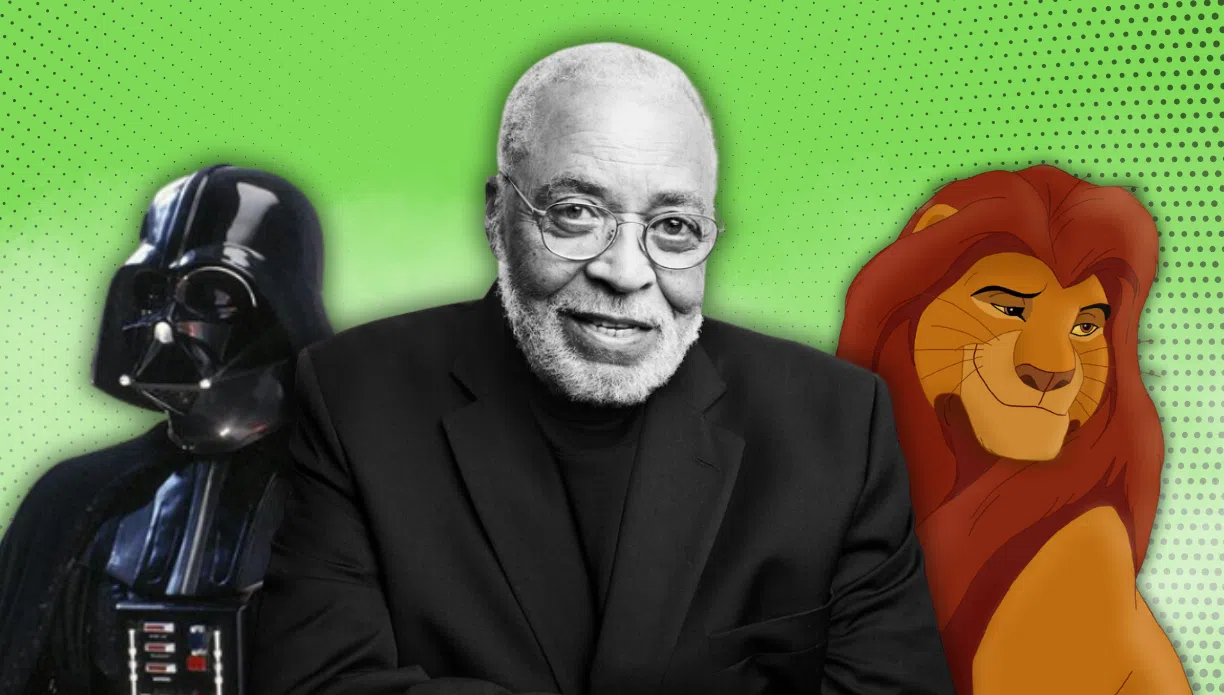
This week, the world mourns the loss of a towering figure in the entertainment industry—James Earl Jones. Born on January 17, 1931, in Arkabutla, Mississippi, Jones grew to become one of the most distinguished actors of his generation. His deep voice became an iconic part of global culture, touching the hearts of millions across generations.
A Humble Beginning
James Earl Jones’s early life was marked by challenges. Raised by his grandparents after his father left, Jones moved to Michigan at a young age. He suffered from a severe stutter, which made him almost mute for years, a struggle that would seem at odds with the powerful voice the world would later come to know and love. It was through the encouragement of a high school teacher that Jones discovered his love for poetry and drama, setting him on the path to overcoming his speech impediment and embracing the stage.
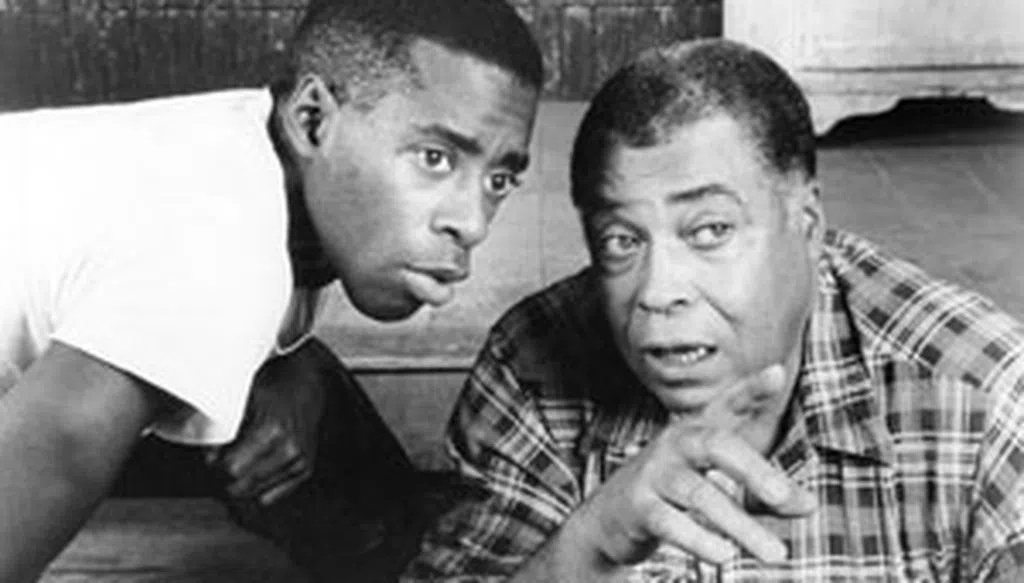
Jones in August Wilson’s stage play: Fences Photo Credit: Photo Fest
A Career Spanning Over Six Decades
Jones’s career began on the stage, where he quickly gained recognition for his powerful performances. He made his Broadway debut in 1957 and earned his first Tony Award in 1969 for his portrayal of Jack Johnson in “The Great White Hope,” a role that also garnered him an Oscar nomination for the film adaptation. His work in theater continued to be highly celebrated, earning him two more Tony Awards and cementing his reputation as one of the finest stage actors of his time.
But it wasn’t just the stage where Jones left his mark. His film and television work expanded his influence and reach. His debut film roll was in Stanley Kubrick’s iconic film “Dr. Strangelove or: How I Learned to Stop Worrying and Love the Bomb*.”* From there he went on to feature and star in many movies we have come to know and love including, “Field of Dreams,” “Coming to America,” “The Sandlot,” among many more.
The Voice of a Generation
Despite his impressive body of work, James Earl Jones is perhaps best known for his voice—one that is instantly recognizable to millions around the globe. As the voice of Darth Vader in the Star Wars franchise, Jones imbued the character with a menacing presence that became a cultural touchstone. His work as Mufasa in Disney’s The Lion King gave life to a character that symbolized wisdom, strength, and fatherly love. These roles, among others, ensured that his voice would be remembered long after his passing.
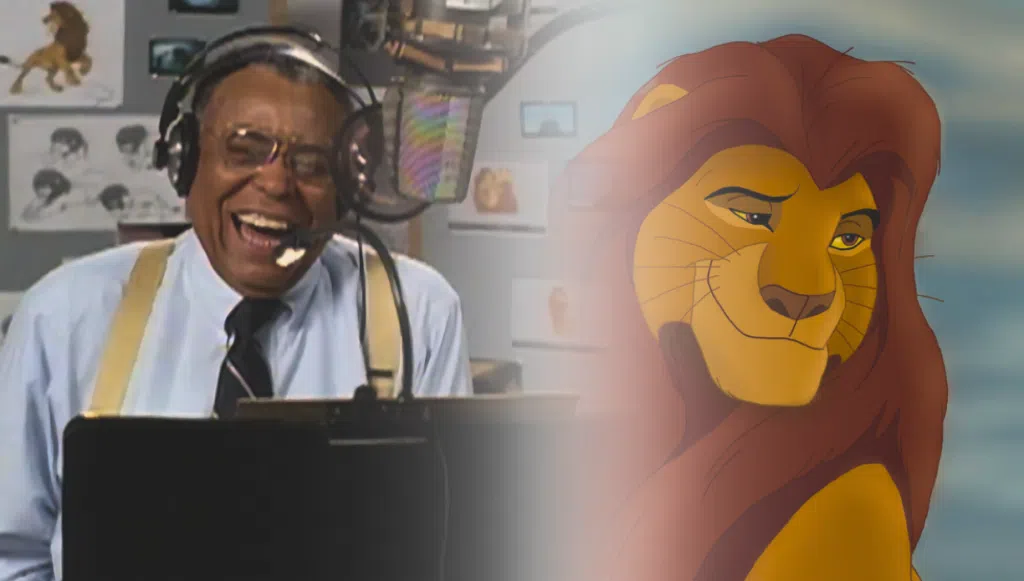
Photo Credit: Disney. Edited by Cassie Bauer
A Lasting Legacy
James Earl Jones was more than just an actor; he was a cultural icon who broke barriers and set new standards for excellence. He was one of the first Black actors to achieve widespread acclaim on the stage and screen, paving the way for future generations of performers. His contributions to the arts were recognized with several awards, including an Honorary Academy Award in 2011, a Kennedy Center Honor, and the National Medal of Arts.
Beyond his professional achievements, Jones was a humble and private man who preferred to let his work speak for itself. His dedication to his craft, his perseverance in overcoming personal challenges, and his ability to connect with audiences on a profound level will continue to inspire.
As we say goodbye to James Earl Jones, we remember a man whose voice will echo through history. His legacy will live on in the characters he brought to life, the stories he told, and the many lives he touched through his work. He leaves behind a body of work that will be cherished for generations to come—a fitting tribute to a man whose talent and spirit were truly one of a kind.